Education Library
-
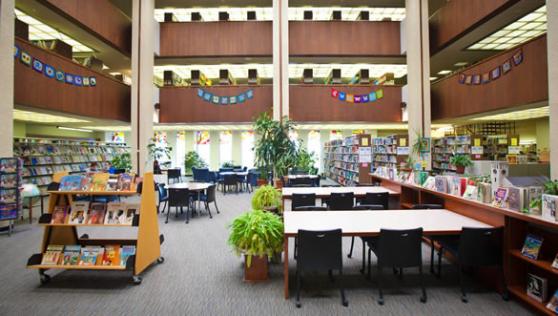
Welcome to the Education Library. The Library provides the information services and resources you need for your learning and research, and space for contemplation and collaboration. We look forward to welcoming you in person!
Call Us
613-533-2191
1-866-267-7406 -
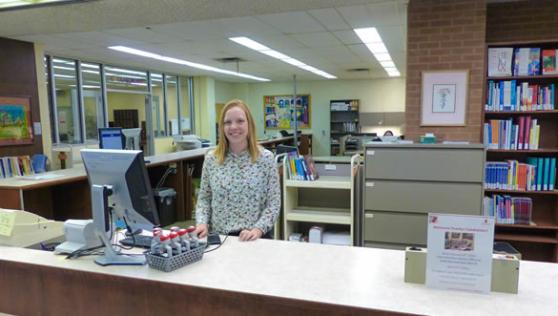
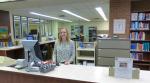
Information services is here to help with a range of questions, from locating resources, to helping you connect with someone who will help you plan your research. If we don’t have the answer to your question, we will connect you with someone who does!
-
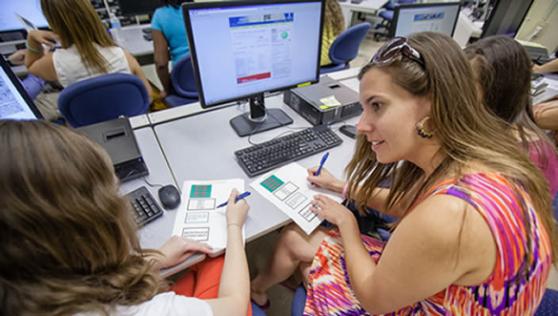
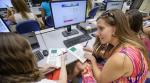
The classroom provides an accessible inviting location for Queen's University Library's teaching programs. The classroom is equipped with laptops, and is available for use when classes are not booked. The classroom is open during library hours.
-
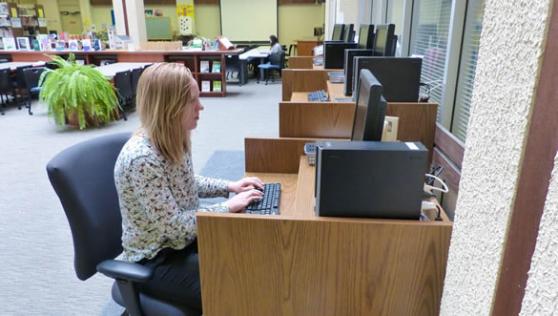
The Library has computers, scanners, photocopiers, and printers available for your use. Guest logins are available for those who do not have a Queen’s user account.
-
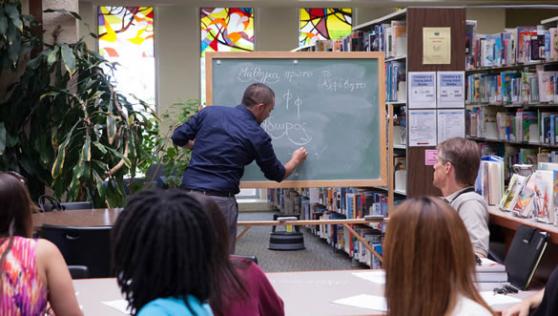
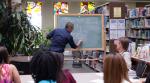
The Library offers classes and workshops in the Teaching Corner, located beyond the ground floor workstations.
-
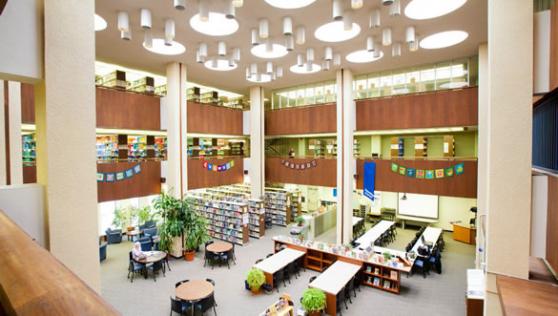
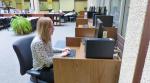
We are committed to providing study space to meet your needs, whether you are looking for silent contemplation, quiet reflection or group discussion.
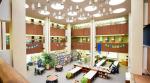
The upper level features a range of study areas, including comfortable reading chairs with views overlooking Lake Ontario.
-
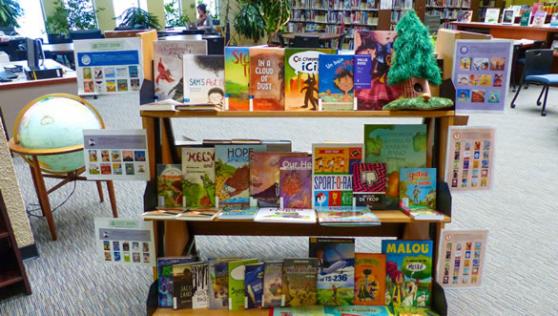
We work in close consultation with researchers, learners and instructors across the disciplines to ensure they have the information resources they need in the global information realm.
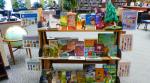
Resources include current periodicals, the Reference collection, textbooks, Ministry of Education Documents, and multimedia (including videos, DVDs, kits, posters, big books, audiobooks, CDs and cassettes, and more), and professional development resources for teachers.
We also provide electronic access to the major databases in the field and to over 51,000 journals online, including almost 1,000 journals that are specifically education-related.
Find Us
Ask Us
For help locating resources, using the library, or to request a research consultation, try our Ask Us service.

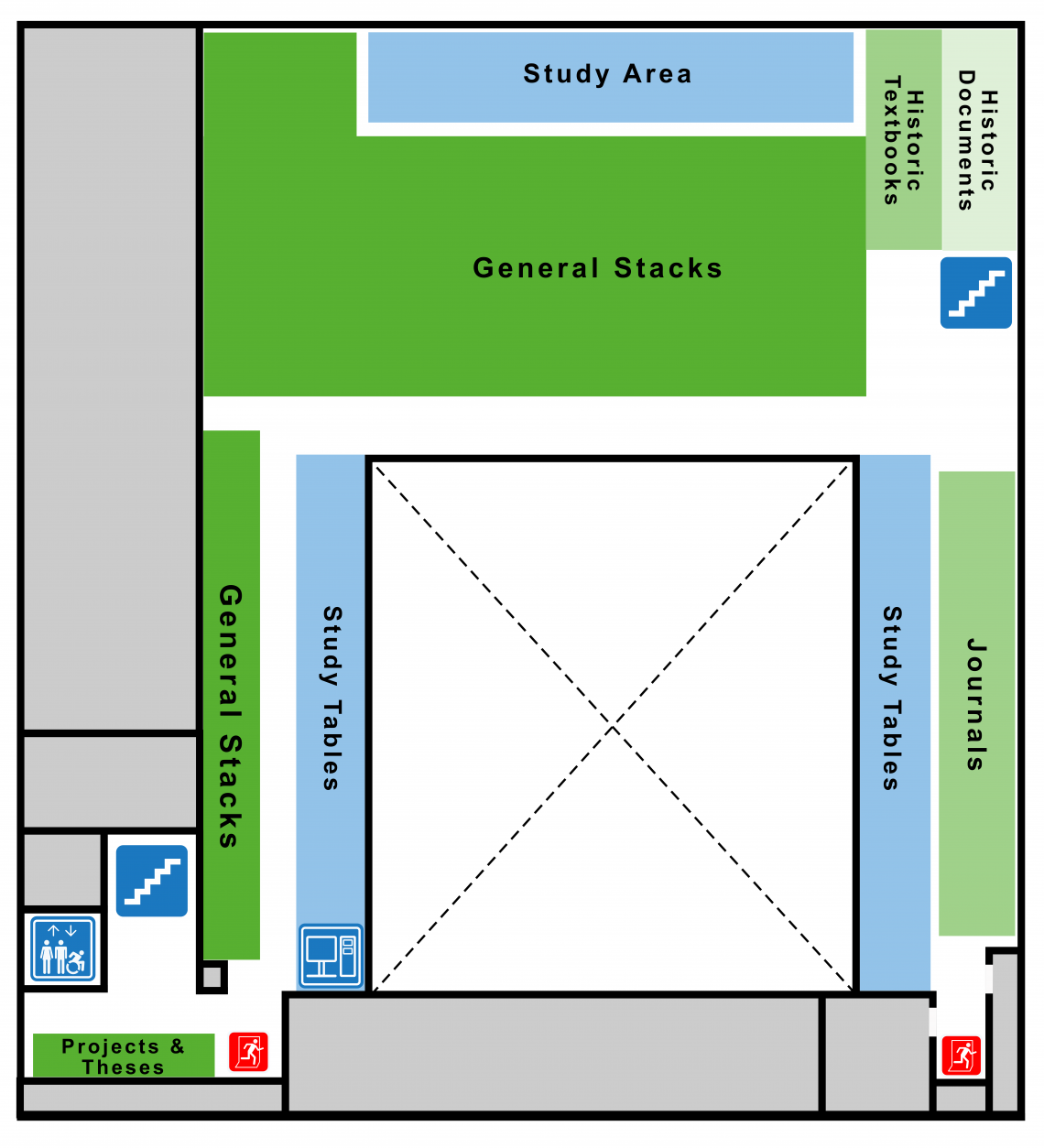
Education Library Floor Plan
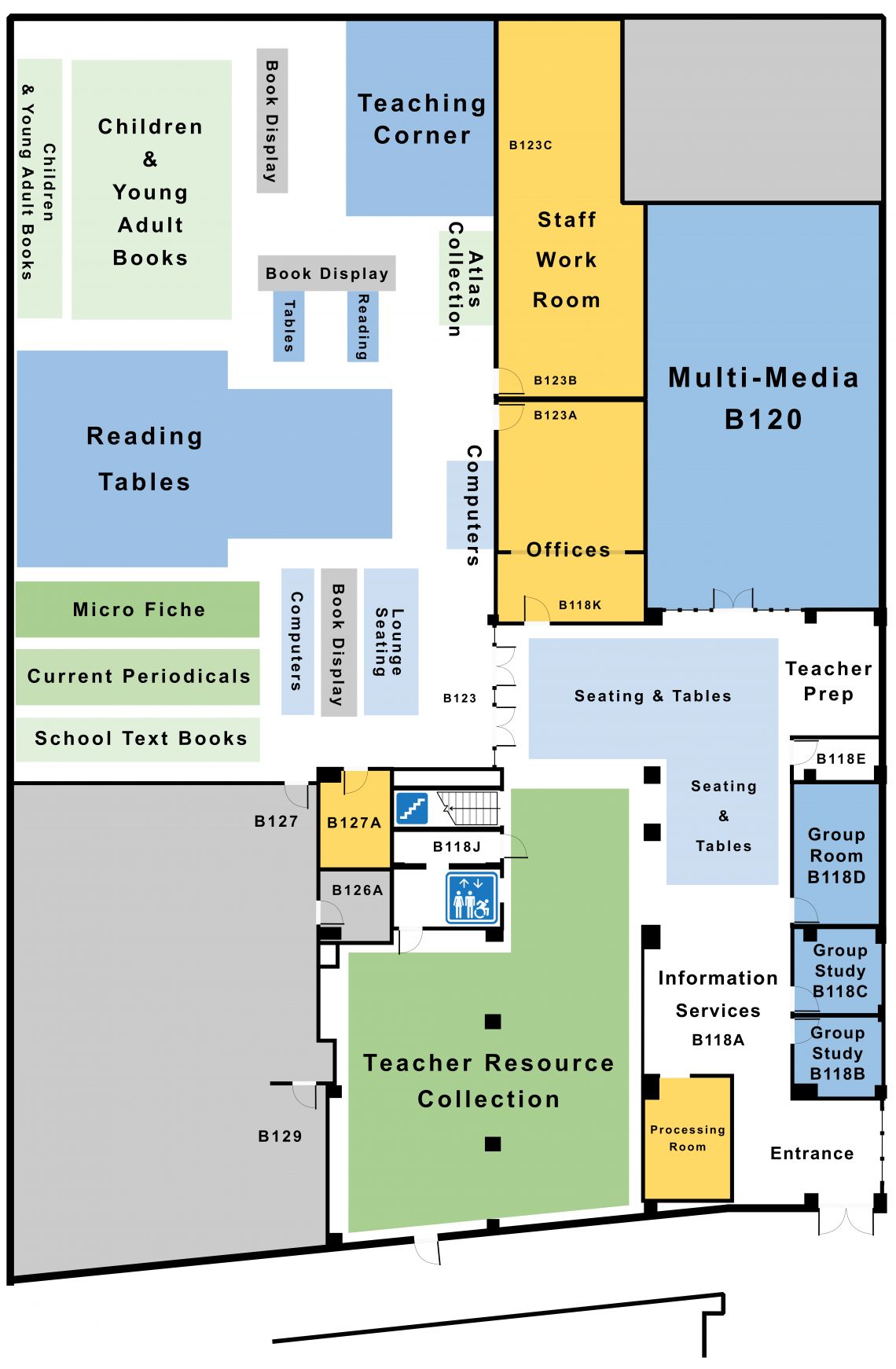
What's on this Floor
- Bookable Study Room
- Computers
- Children’s and Young Adult Books
- Current Periodicals
- Information Services
- Microfiche Collection
- Multi Media Room
- Quick Reference
- Reading Tables
- School Textbooks
- Teaching Corner
- Teacher Resource Collection
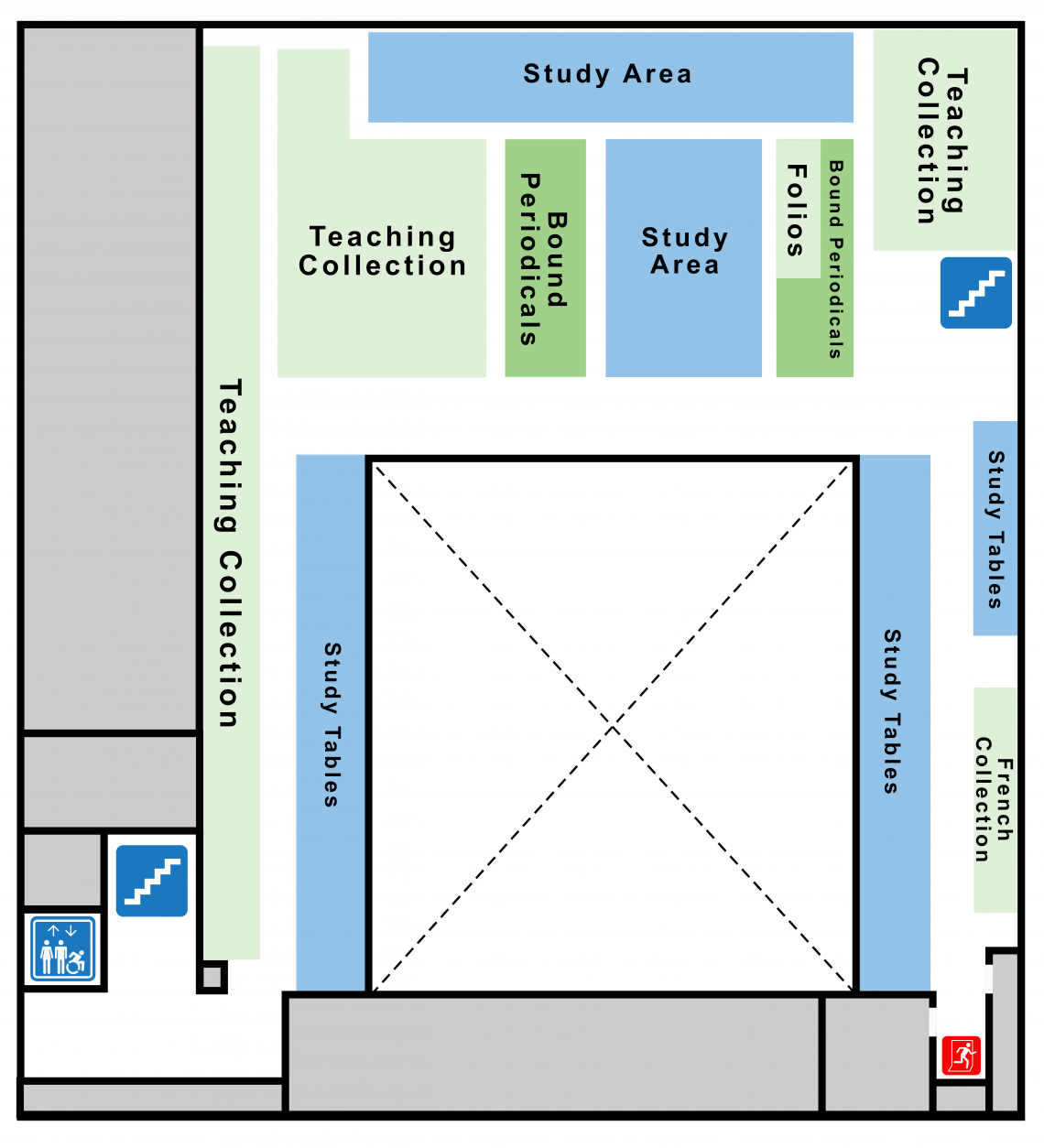
What's on this Floor
- Bound Periodicals
- Folios
- French Collection
- Study Tables
- Teaching Collection
What's on this Floor
- Computer
- General Stacks
- Historical Government Documents
- Historic Textbooks
- Journals
- Projects & Theses
- Study Area
- Study Tables
Legend
 Information Services
 Public Stairs
 Emergency Exit
 Washrooms
 Drinking Fountain
 Print, Scan, Copy
 Public Phone
 Emergency Phone
 Assistance Phone
 Public Elevator
 Cafe
Cafe